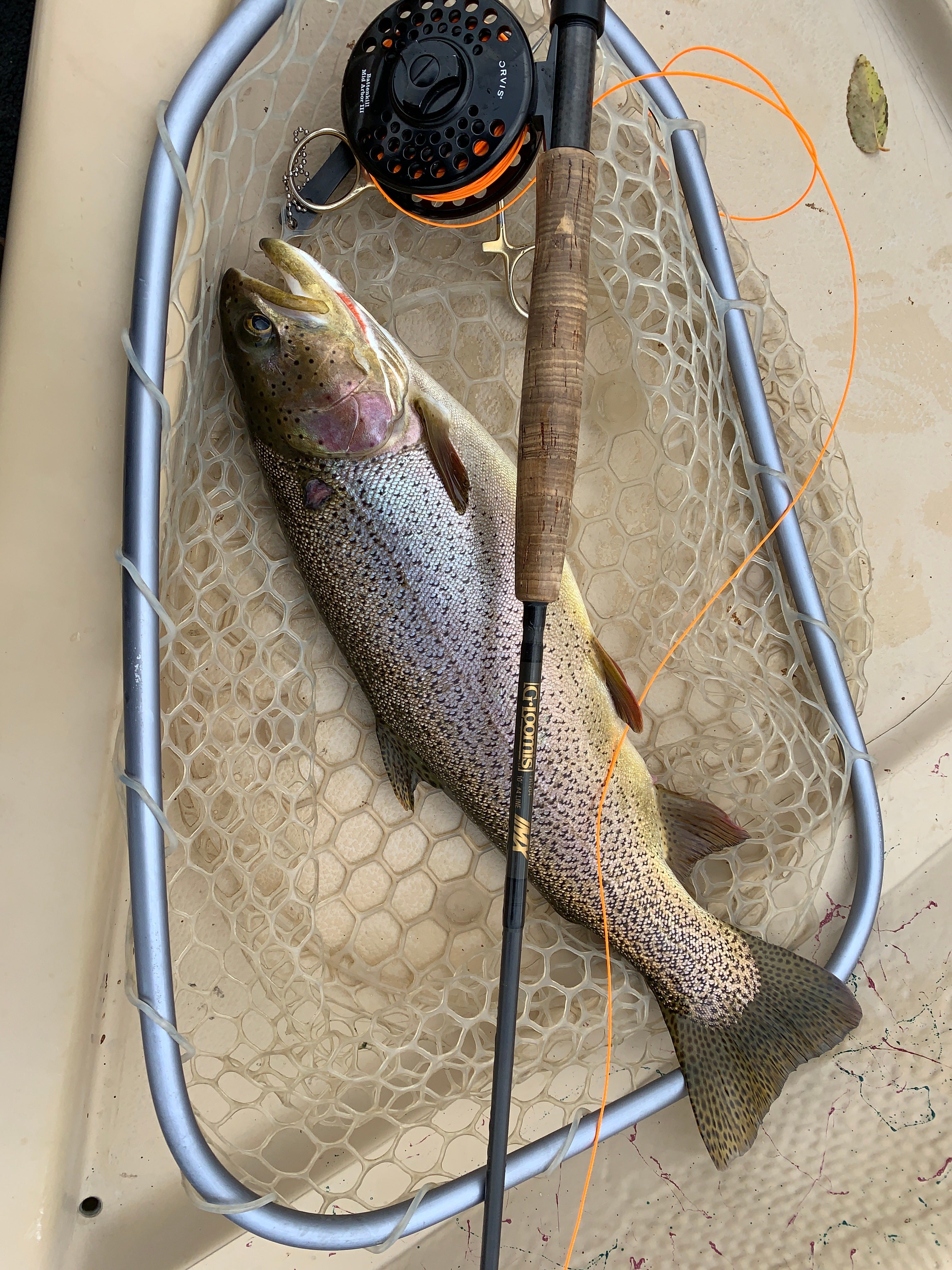
Fly Tying Hooks
Come live with me and be my love, And we will some new pleasures prove ,Of golden sands and crystal brooks, With silken lines and silver hooks. - Izaak Walton

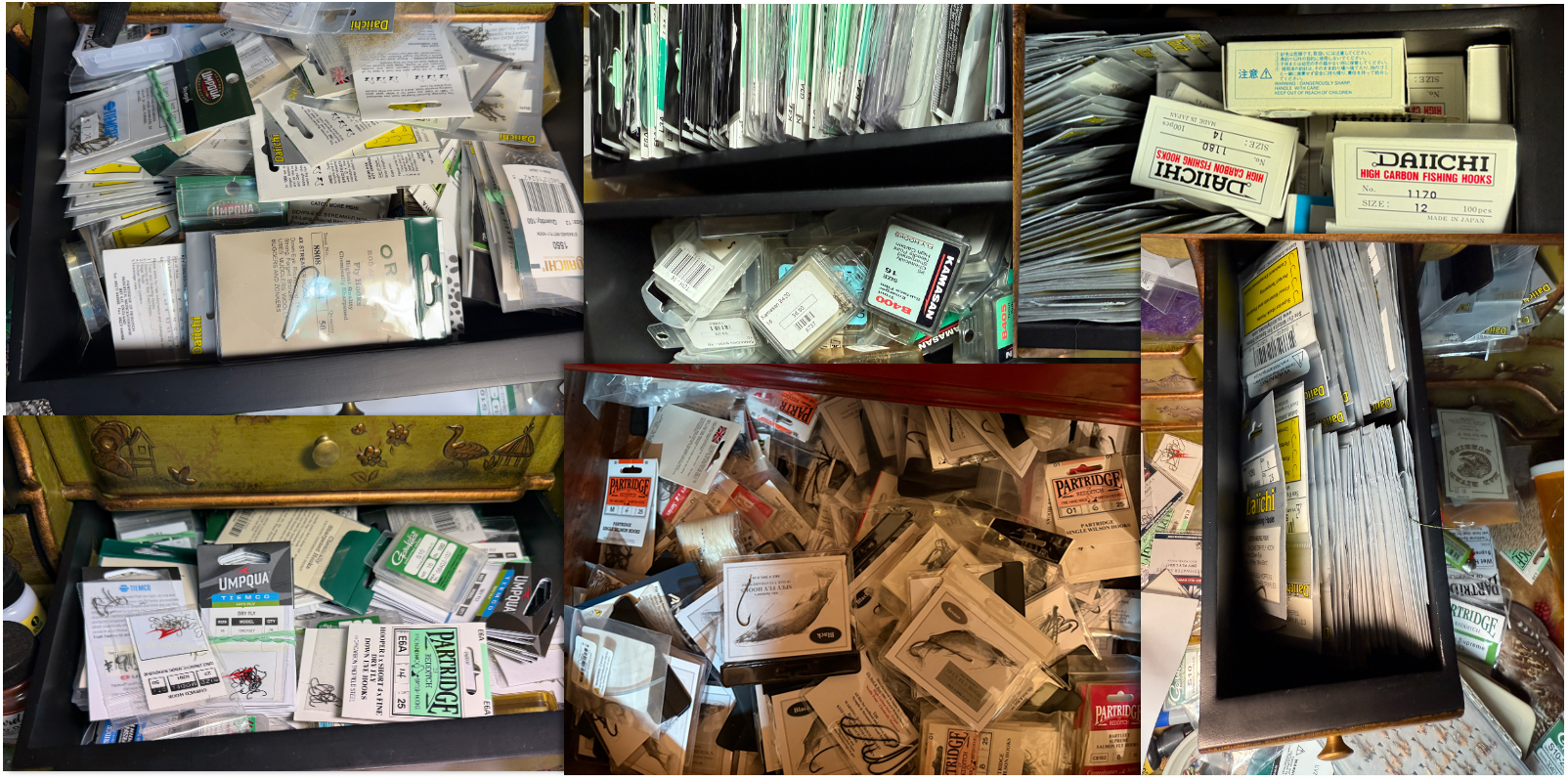
Fly fishers are a funny breed. They’ll pay a thousand dollars for a rod, six hundred for waders, nine hundred for a reel and throw a hissy fit if asked to pay fifty cents for the hook. The rod will cast the line, the waders will keep them dry, the reel will, for the most part hold their line, but that paltry 50 cent piece of metal is what will hold the fish. And yet they write reviews for every model of rod, people collect reels like they were fine wines and they high modulus this and bar stock that, yet ignore the thing that finally actually hooks the fish (Oh look I made a pun.)
As a young lad I made and used flies tied on whatever hook was at hand. As a not so young lad I gravitated towards Mustad hooks because that’s what you did. It wasn’t until I became a young man that I realized this is not a hook designed to catch fish
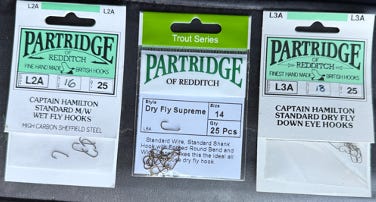
But if you looked at what the various writers and experts were telling you, hook selection mattered. Capt Hamilton, from New Zealand had Partridge make him a set of hooks that became the L series - the L2A was a heavy wet fly hook, the L3A a standard dry fly hook and the L4A a light wire hook.
Vince Marinaro, the wizard of the Letort had Partridge make him a special midge hook, sold by them as the K1A.
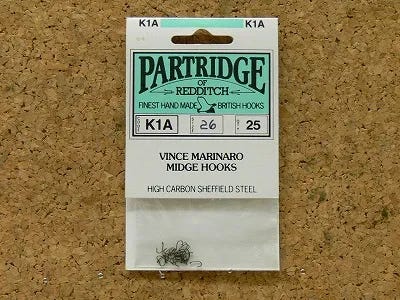
Orvis had Sealey’s in England make them a dry fly hook they called the Premium. That hook was designed by a guy called Ken Hooper who later worked for Partridge. He designed a pair of dry fly hooks for Partridge based on the Orvis Premium - the E1A and the E6A.
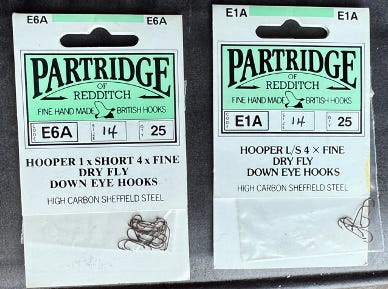
Partridge designed and built hooks for all sorts of special purposes and a lot of their DNA can be seen in various hooks today.
It was 1983 and I had just finished my Masters and started in on my doctoral work. I got a job at the erstwhile Rockville Trading Post running their flyfishing department. Here was my chance to do something with everything I had read until then. I tracked down the Partridge international sales folks in Redditch and they put me in touch with a little distributor in New England somewhere (40 some years later the details are fading) and we got in a load of Partridge hooks. Not knowing how they’d sell I only got in 100 of each type and size, and they were packaged in lots of 25 hooks. We sold these hooks for between $4.75 and $5.25 a package. That’s between 19 and 21 cents a hook. People threw a hissy fit. It took a lot of work to convince people that when that 20-incher rose to your #18 BWO it was worth paying 19 cents to see that you actually hooked it, and once hooked, it was worth paying the grandiose sum of 19 cents to increase your chances of landing it. It took time, it was work, but we started bringing people around. Then the Japanese hooks started showing up. I called over to Dan Bailey’s and bought a pack of #4 and #6 streamer hooks from both Tiemco and DaiRiki. I would break them with 5 or 6X tippet just to show their fundamental flaw.
Then sometime in the 90s it all went to pot. Mustad bought Partridge and proceeded to trash their product.
Anyhow, enough reminiscing. Let’s talk hooks now. A fly hook has two primary purposes - it provides a base for you to tie a fly on, and it is responsible for hooking the fish and keeping it hooked until you land it.
A quick look at the anatomy of a hook, since I will use these terms throughout the rest of this discussion.
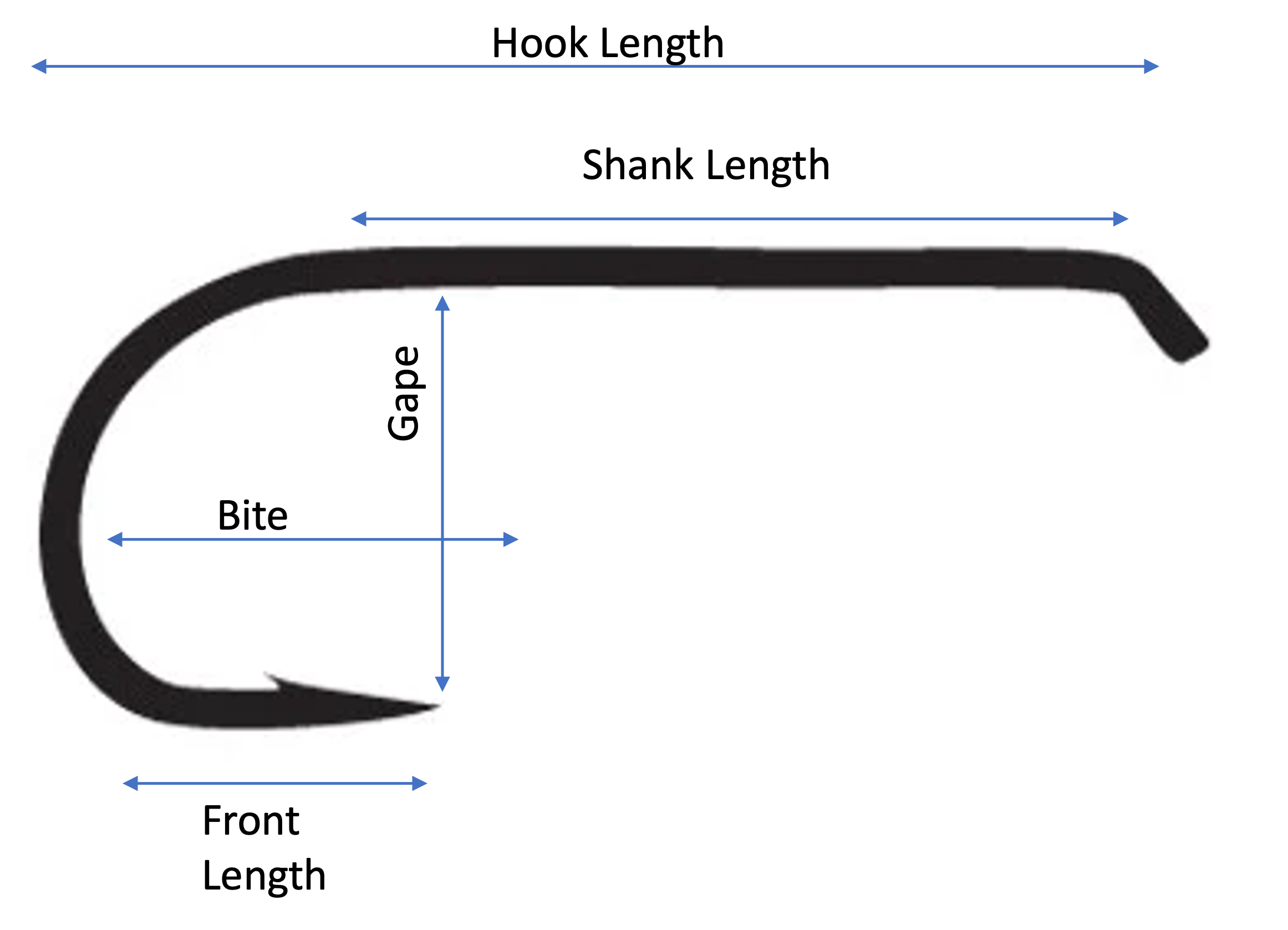
The shank is where you tie your fly and obviously the shank length is determined by the size of fly you’re trying to tie. The gape, which is the distance between the shank and the point governs the hooks ability to grab a fish and then, in part, hold onto it. The bite is the other part that governs the ability of the hook to hang onto a fish. It is no surprise that the European Tournament anglers (God have mercy on their souls) use hooks that look like this
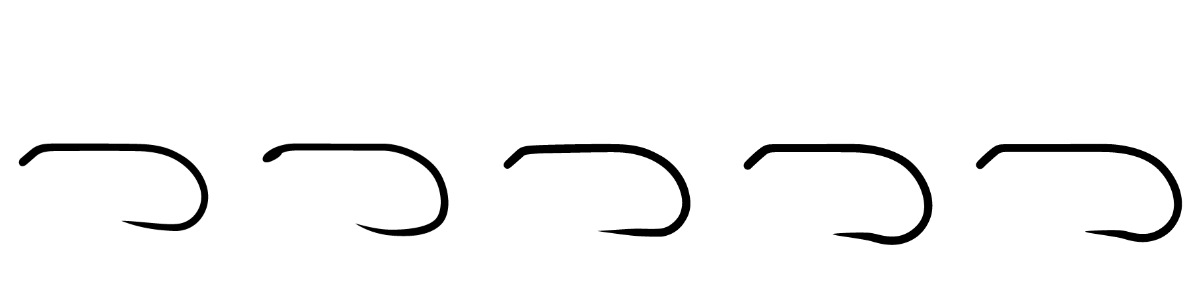
Long bites and wide gapes. The problem with these competition hooks, in my opinion, is three-fold. First and foremost, they don’t tie flies that look good. I’m just an old fashioned guy. I’m not one of these advanced fly-fishers with their reels lined with monofilament, a canon ball sized bead head on the fly and a whole lot of shiny stuff all over it. The shape, balance, proportions of a fly matter to me. If they didn’t I’d tie a whole different set of patterns. Secondly, I do like a barb on the hook that I dutifully mash down before I ever tie a fly on it. I like it because that little bump stops my tippet from flying off when I tie it to the bend of the hook (and that rig has it’s place in one’s bag of tricks) and lastly because I can’t seem to get the right sort of hook wire proportion to hook type.
But the key to successfully hooking and holding fish is still gape and point of the hook. Wider gapes hook more successfully because the wide gape keeps the point free of the hook eye and materials you may have wrapped around the shank. The wider gape also gives a better bit into the fish as opposed to a ting hook gape that might just nip the skin because it just doesn’t have enough space to bite deeply. Big fish will just tear that sliver of skin. The variance in hook size to gape can be large. Here are a set of hooks that have a shank length that would tie a fly with a body length of about 6.5 mm (about a size 18 for a TMC 100). That’s about the size of a Paraleptophlebia Adoptiva (the early season Eastern Blue Quill) or a Beatis Vagans (the larger BWO).
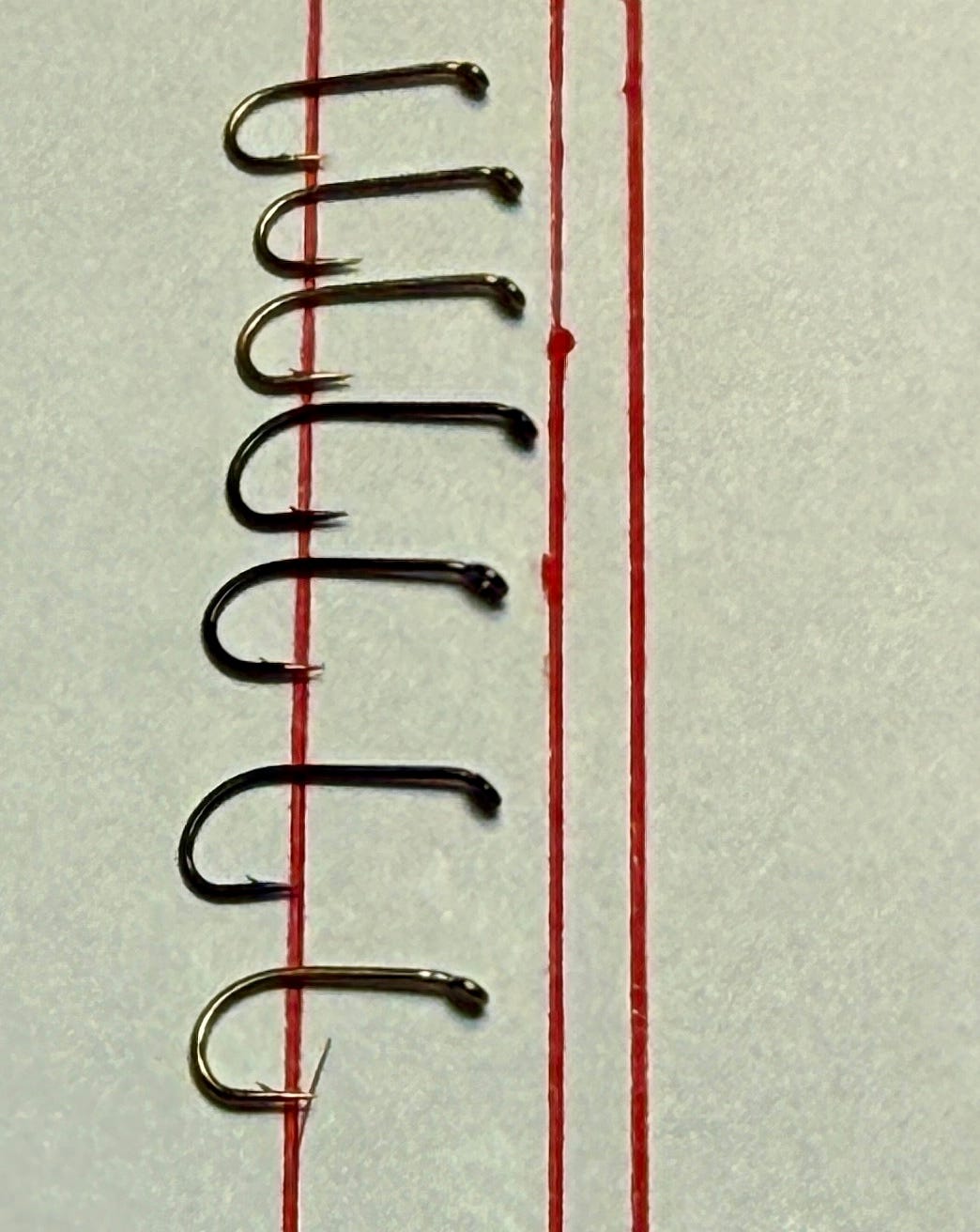
Notice the huge difference in gape and point. Your ideal hook for this size of fly (or smaller) is somewhere in line with the bottom 4 hooks. Those are (from top to bottom) an Ahrex FW 502, a Partridge L5A, a TMC 102Y and a TMC 112TR. All amazing hooks for smaller sized dry flies down to the 3 mm fly sizes or so. The same thing applies to hooks for subsurface flies.
Once again you want a large gape. Here are four standard subsurface hooks in a size 14. These will all let you tie a nymph that is about 9 mm long
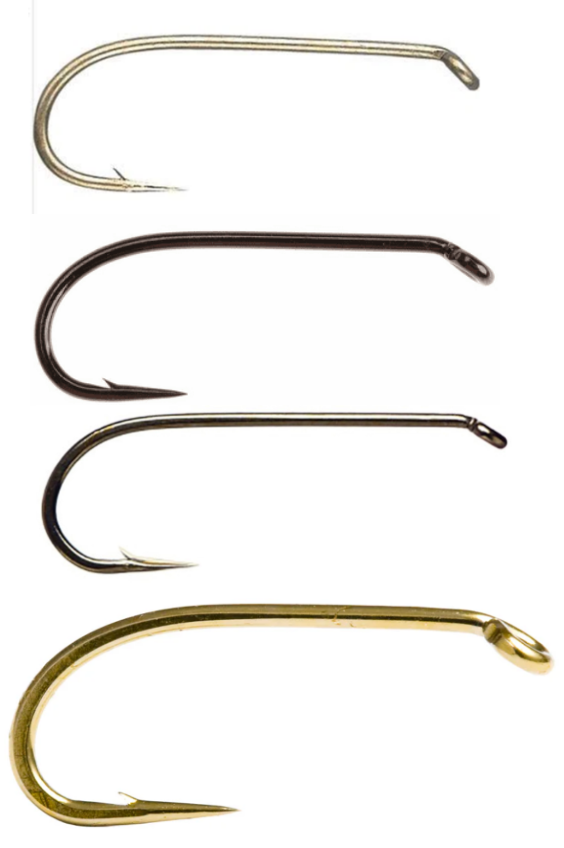
The bottom one looks much bigger because it has a much larger bite. The top three have a gape of about 4.5mm while the bottom one has a gape of a whopping 6.7mm. Plus a heavier wire, which aids in sinking. So all of these hooks provide acceptable platforms for tying nymphs and wet flies. But then some genius decided that you may need a larger nymph, and they came up with an absolutely brilliant way to get there. This is directly from their catalog.
An extended down-eye hook for wet flies and nymphs, the ABC1234 takes the same basic design as the ABC4567 and incorporates a 1X longer shank for tying more extended nymph patterns.
Which basically means that to get a nymph with a 9 mm body all you change is drop the gape by 1 size and the wire diameter by 1 size! Make that make sense. And this insanity doesn’t end. You have this sort of thing
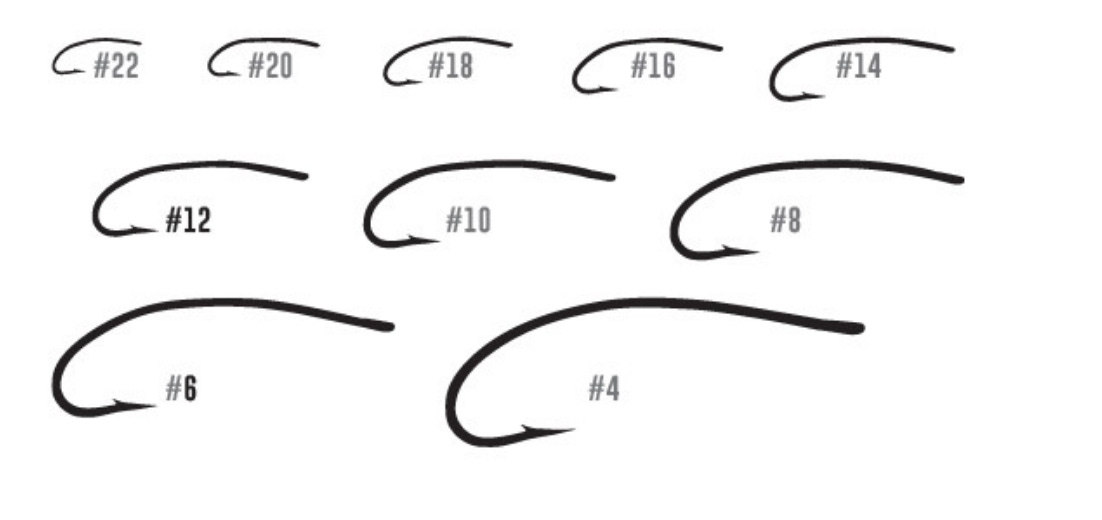
The size 18 in this hook has a length of 11 mm and a gape of 3mm, and all over this great land of ours, from sea to shining sea, fly shops sell people a whole butt load of #18 nymphs tied on this monstrosity. If you really like the shape take a pair of needle nosed pliers and bend the shank of the hook, or find a maker who makes one a little more forgiving (Though I haven’t found one).
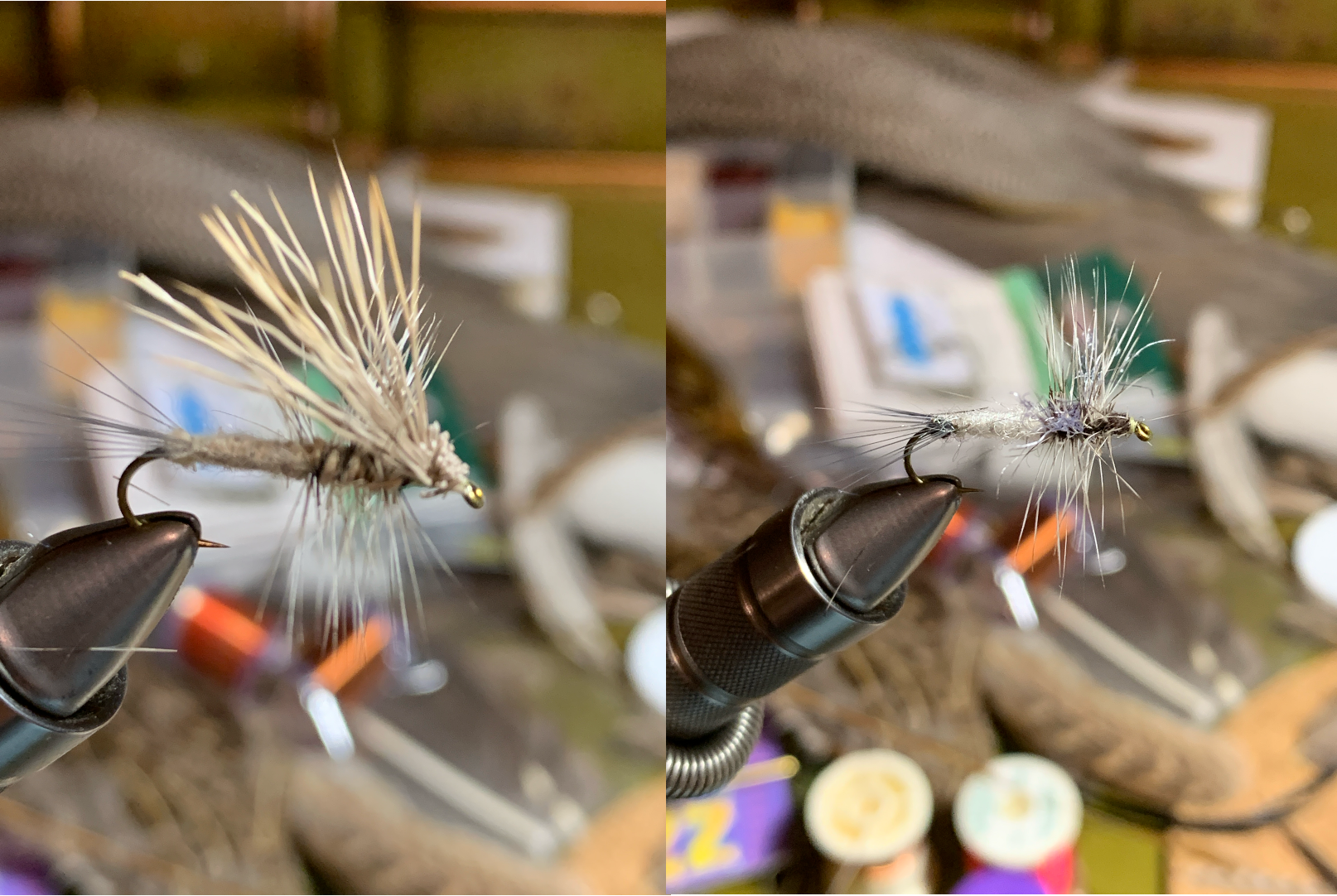
There is only one place I’ve found for using long shank hooks and that is for certain types of dries. The longer shank allows you to get away with a slightly lighter wire that allows you to keep the tail end afloat. This Green Drake dun and associated spinner are examples. The same thing applies to flies like hoppers.
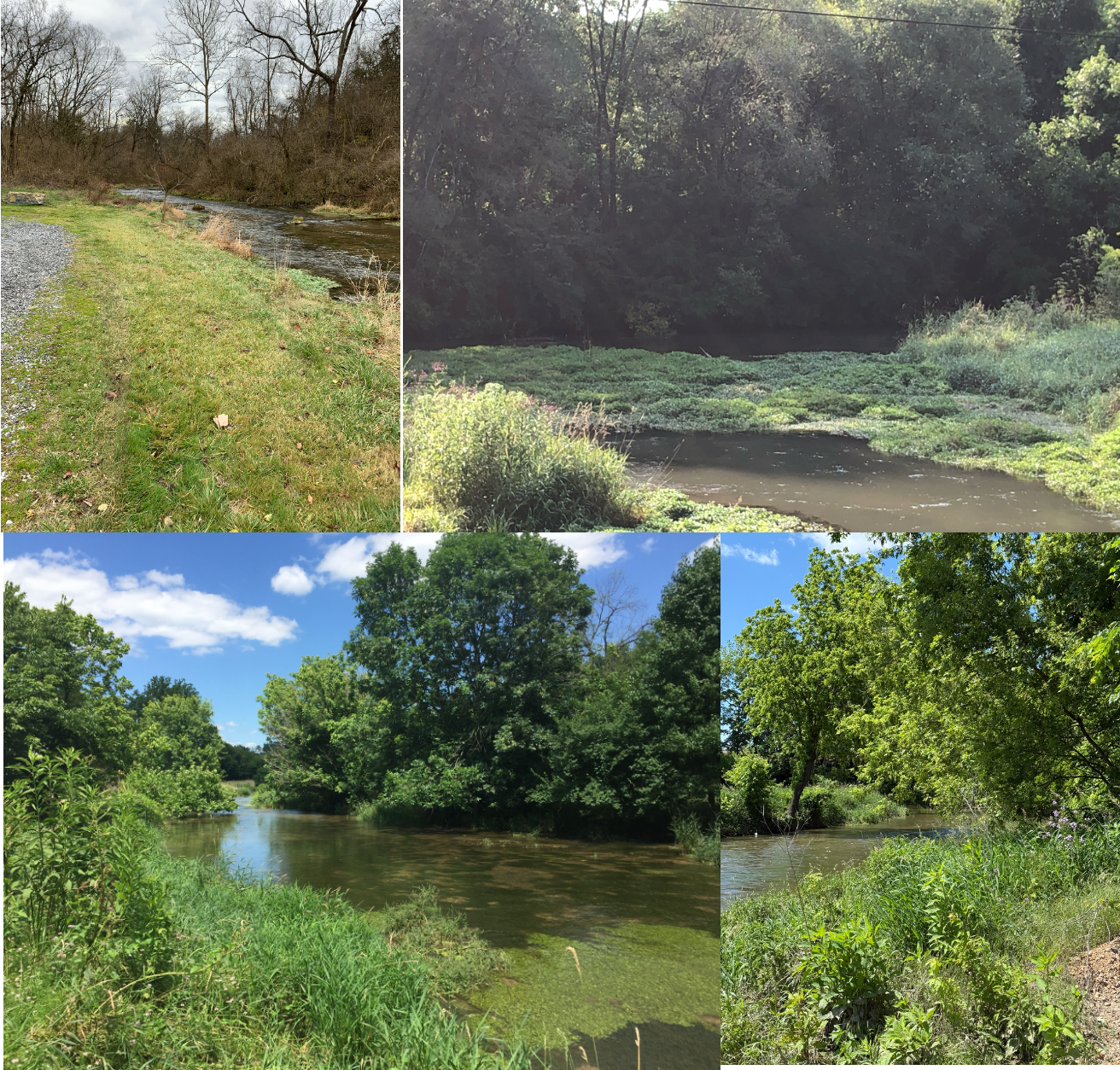
There is a section of the Mid-Atlantic states that resembles southern England around Hampshire and Wiltshire in that it is criss-crossed by spring fed streams. They call theirs’ chalkstreams, we call ours limestone spring creeks (and the geologists will dig out some difference beyond my ken). Theirs’ are tailored, and it costs 9 bazillion pounds to get a membership in some high faluting clubs. Ours are allowed to run wild and see nefarious types such as yours truly crawling around casting downstream to fish.
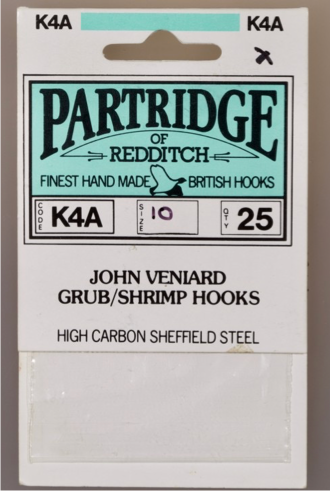
In these streams live two families of crustaceans the scuds and the isopods or sow bugs. The fish love eating them and a bunch of years ago I came up with a single fly that imitates them both. It was tied on a Partridge K4A hook, mostly in a size 16, with a few 18’s for good measure.
I used to churn them out by the bucket load because a lot got chewed up by the fish, a lot got left on the bottom of the stream and I have a fishing partner whose method of tying flies involves asking, “Where’s you box of XYX flies?” and then helping himself to a days worth at a time. But I’ve been fishing with him for more than 40 years so I must love the guy like a brother, so ……. However, when a fish took the fly it was inevitably hooked and rare was the fish you lost.
Anyway, came the day when I couldn’t buy anymore of those hooks. So I shifted to a Tiemco curved hook and now even though the fish would still eat the fly, the hookup rate dropped and so did the landing rate. That summer I was at the Orvis shop in Cherry Creek, Denver on our way up to the mountains. They had a pack of curved hooks under their own brand. Looking at them the bell suddenly went off. Like these Orvis curved hooks the Partridge K4A had an offset point. And there it was. The Tiemcos didn’t. The shape of these hooks is such that they seem designed to not hook fish.
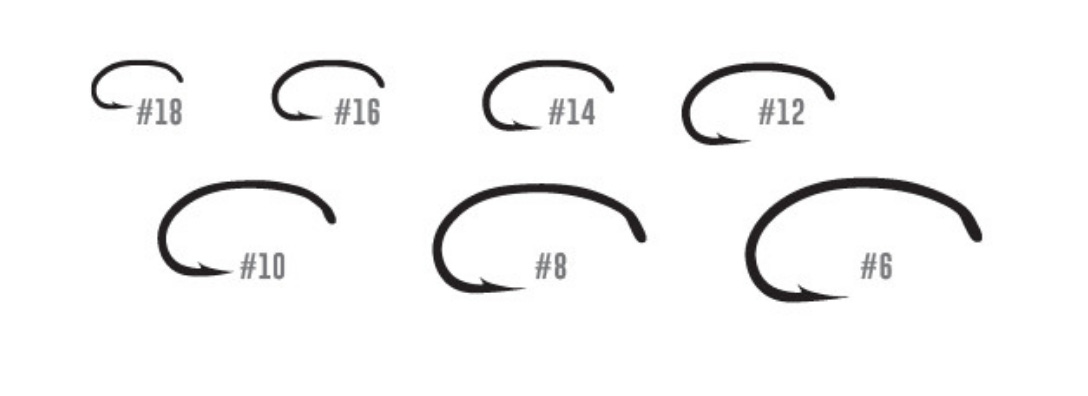
The eye and front curve act almost like a weed guard. Offsetting that point makes all the difference. By dint and persuasion I tracked down the maker of the hooks Orvis was selling. These were the Daiichii 1130 hooks and they called the offset a reversed point
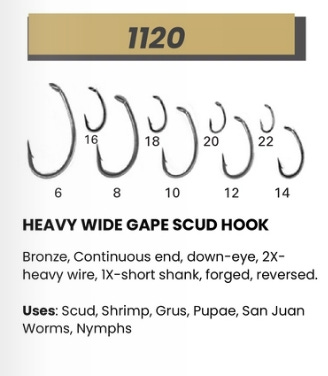
In the passing, Daiichii is a funny brand, all Japanese sounding but actually owned and operated by a guy in Tennessee. He also owns Angler’s Sport Group that distributes Daichii. Real nice guy and super helpful and full of info. They do make the nicest hooks around if you catch them on the right year. As Dave explained to me, they use contract manufacturers for their hooks in Korea and Japan. Some years they get good product, other years not so much. Their 15xx series subsurface hooks and 1170/1180 dry fly hooks and 1120 curved hooks are some of my new favorites. Too bad they stopped making the Alec Jackson Spey hook. That thing tied an awesome fly and hung onto big fish too.
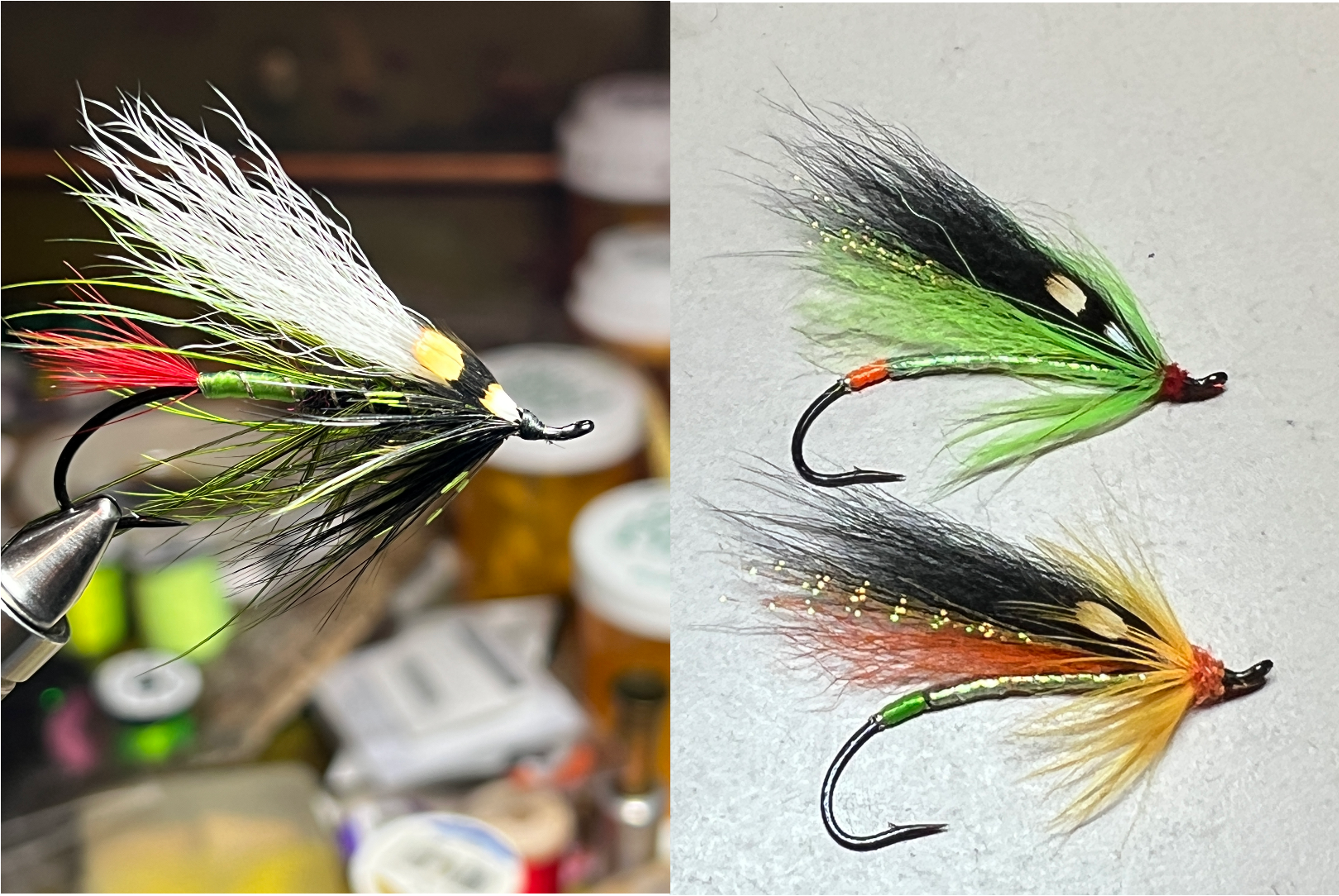
Back to offset points.An offset, or reversed, point bends the point of the hook away from the shank. That allows the point to stay clear of the eye of the hook, It also stays a little turned away from the plane of the fly when a fish bites. All this increases the chances of and a better hook up. This is particularly so for small flies. Which is why Vince Marinaro’s Midge hook has an offset point. If you can’t find any, take your hemostats and slightly offset the point. It doesn’t have to be much, just a tad.
Just realized, no fish pictures so far. Let’s fix that. I mean, where’s the fun in reading a fish story with no fish to look at?
That’s my buddy and super guide Matt Murphy releasing a Watauga River brown that ate a small BWO.
The other type of hooks worth discussing are streamer hooks. I think the standard, extra long shanked streamer hook is responsible for more misses and lost fish than probably any other hook, including the ones with very small gapes. Consider the following scenario - you’re fishing a streamer, fish comes up and takes a bit fat swipe at your fly, you tighten up and the fish is on. The fish turns away from you and he’s gone. There is nothing you did that made the fly pop out. It just did. Now think of how many times that’s happened to you. Or the situation where the fish hits the fly hard, so hard you fell it all the way up your arm, and there is no hook up. Sound familiar? I don’t fish streamers very often, it being a lot more like work than I like, but this used to be a common scenario when I did. The reason for the first is that the long shank of the hook act as a lever arm against the bend of the hook. Especially since that long shank can rest against some part of the fish’s mouth. When the fish takes the fly the hook shank is most often pointing forward. As it turns away from you your line rotates that shank backwards. With a shorter shank hook that doesn’t cause much damage since the eye of the hook comes to rest against some part of the fish’s mouth or isn’t long enough to be able to pivot the hook.
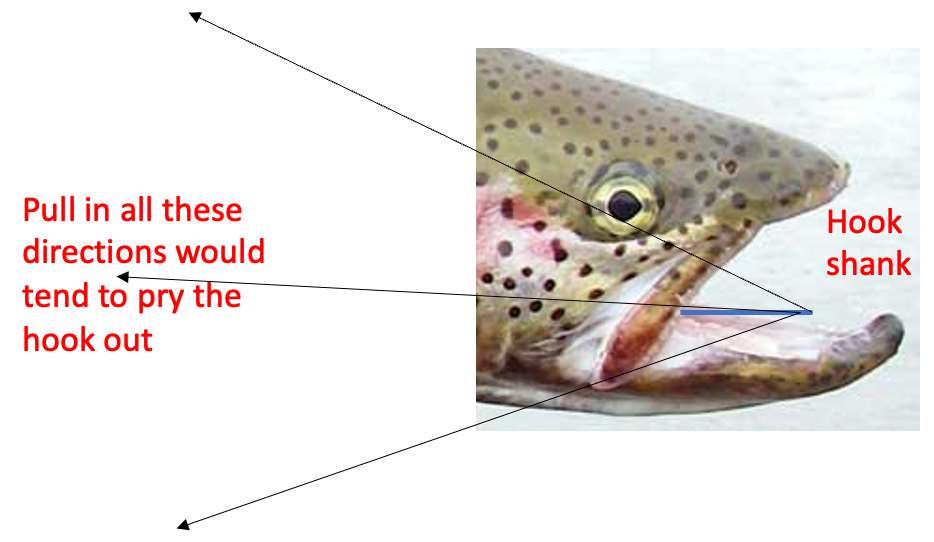
With a long shank hook the action is very close to how bass fisherman unhook their fish. By pivoting the hook out. Watch. (It should cue to around 10:40)
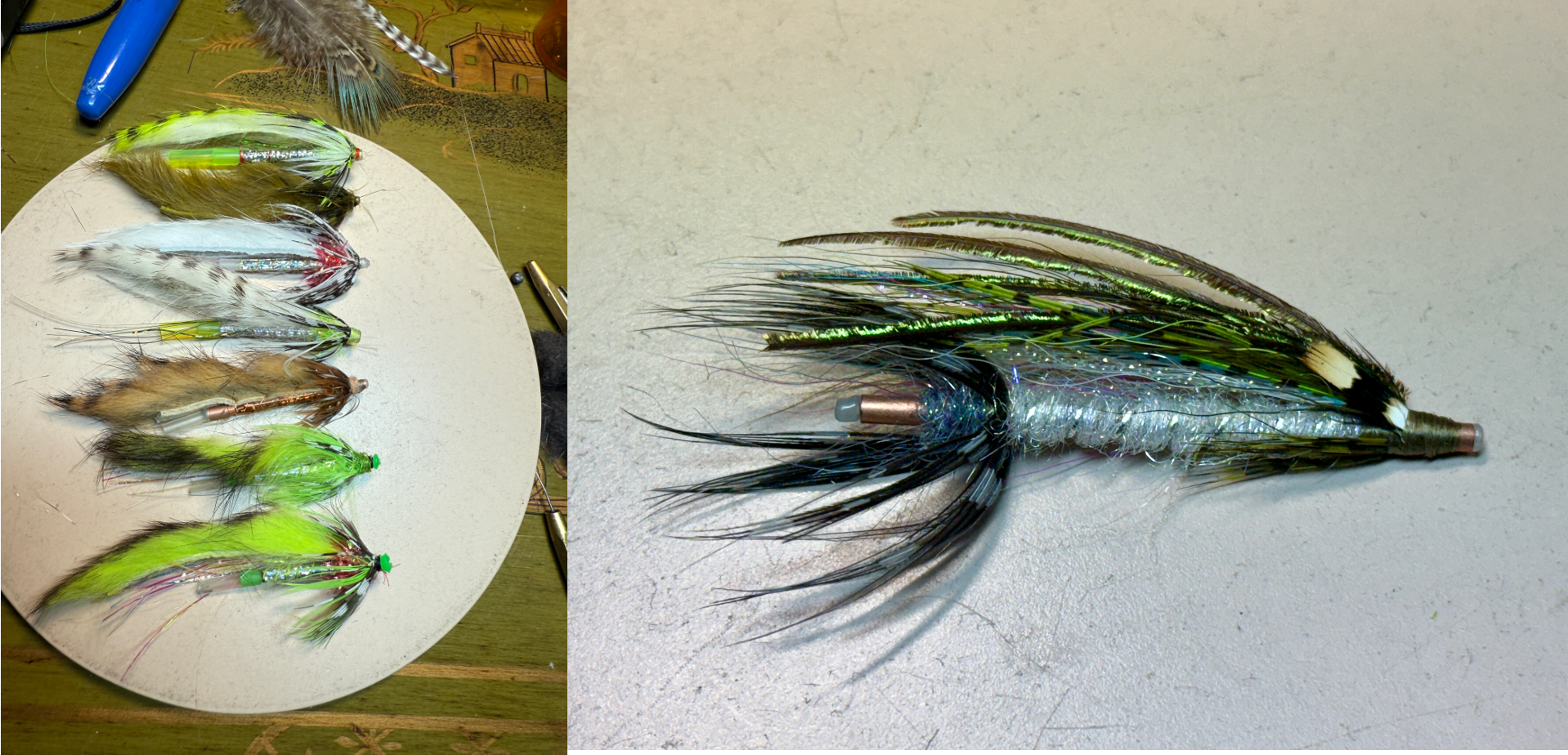
I still don’t fish streamers very often but when I do it’s Dos Equis. No, got that confused with some other thing altogether. When I do fish streamers I use tubes or shanks, mostly tubes. Both for flies tied like traditional winged streamers
And flies tied in the round such as the ubiquitous Woolly Bugger
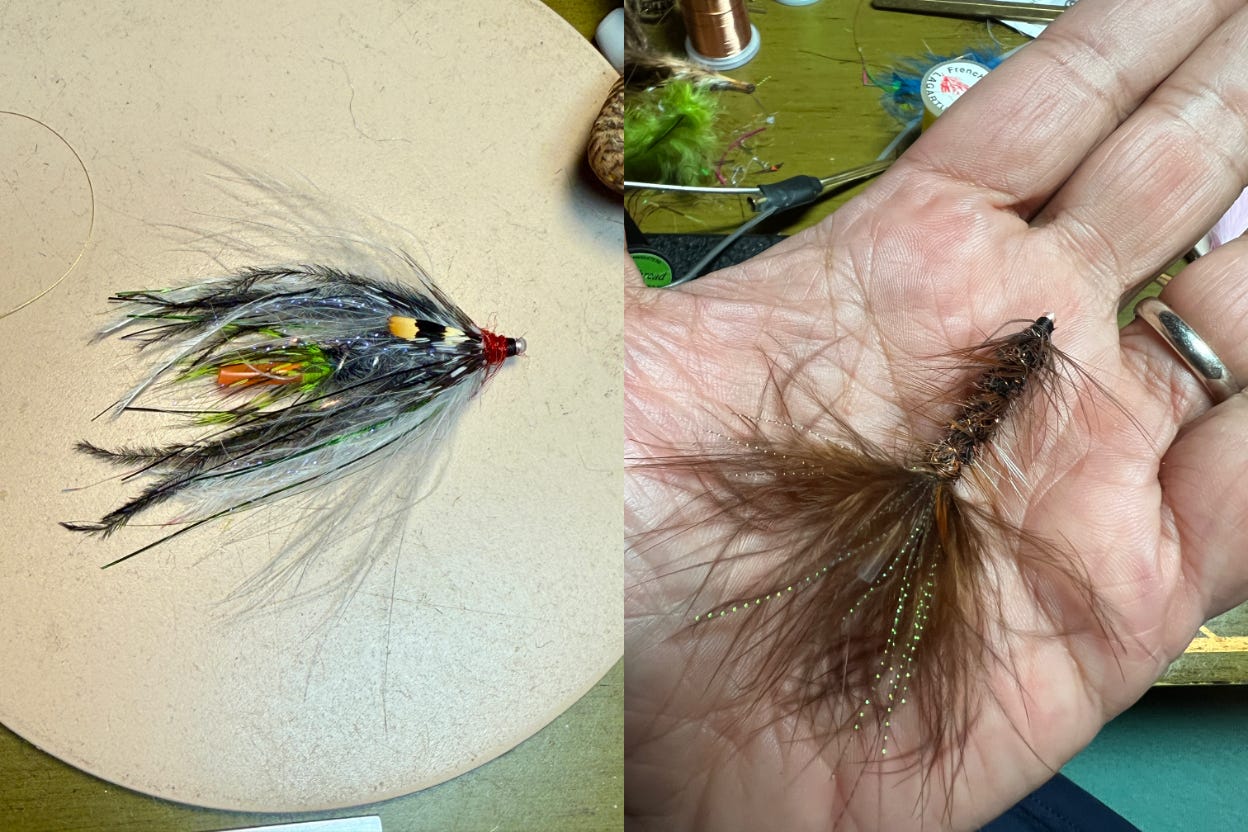
For those unfamiliar with the concept the fly is tied on a hollow plastic or metal tube. The leader is passed through the middle of the tube and tied to a short shank hook. There are a number of hooks either specifically designed for, or suitable for tube flies.

The short shank removes any pivoting and these hooks will hold tight. This fish took a brown, black and copper Wooly Bugger tied on a 1.5-inch copper tube. I was in mid thigh deep water with a deeper 25 foot run between me and the slower water on the far shore. The slower water region was another 20-30 ft wide. The fish put the fast water between itself and me and started diving for bottom. I had visions of leaders touching rocks and parting, of knots coming loose, and all sorts of other things. But I never feared my hook pulling loose. A battle ensued. I won!!!
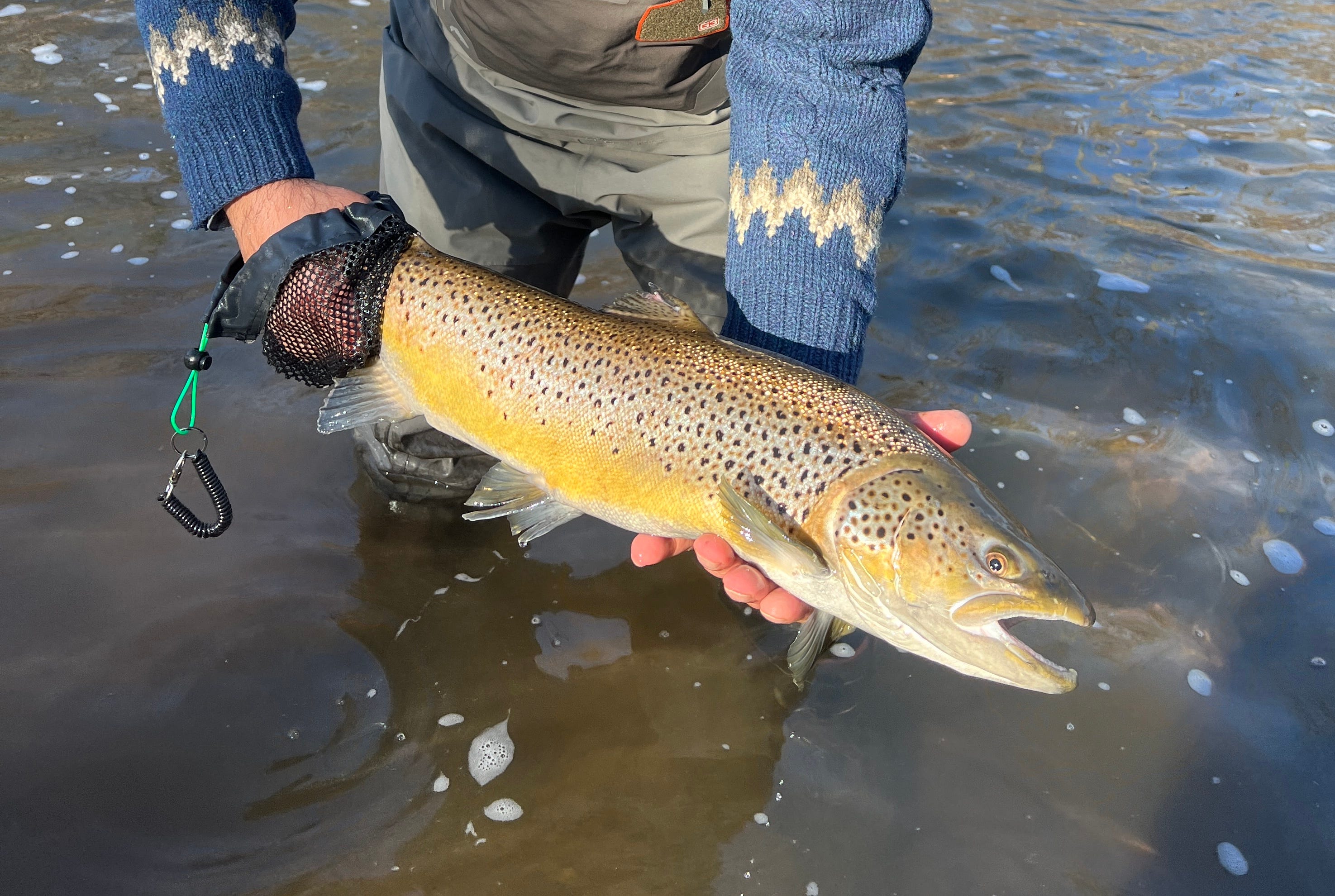
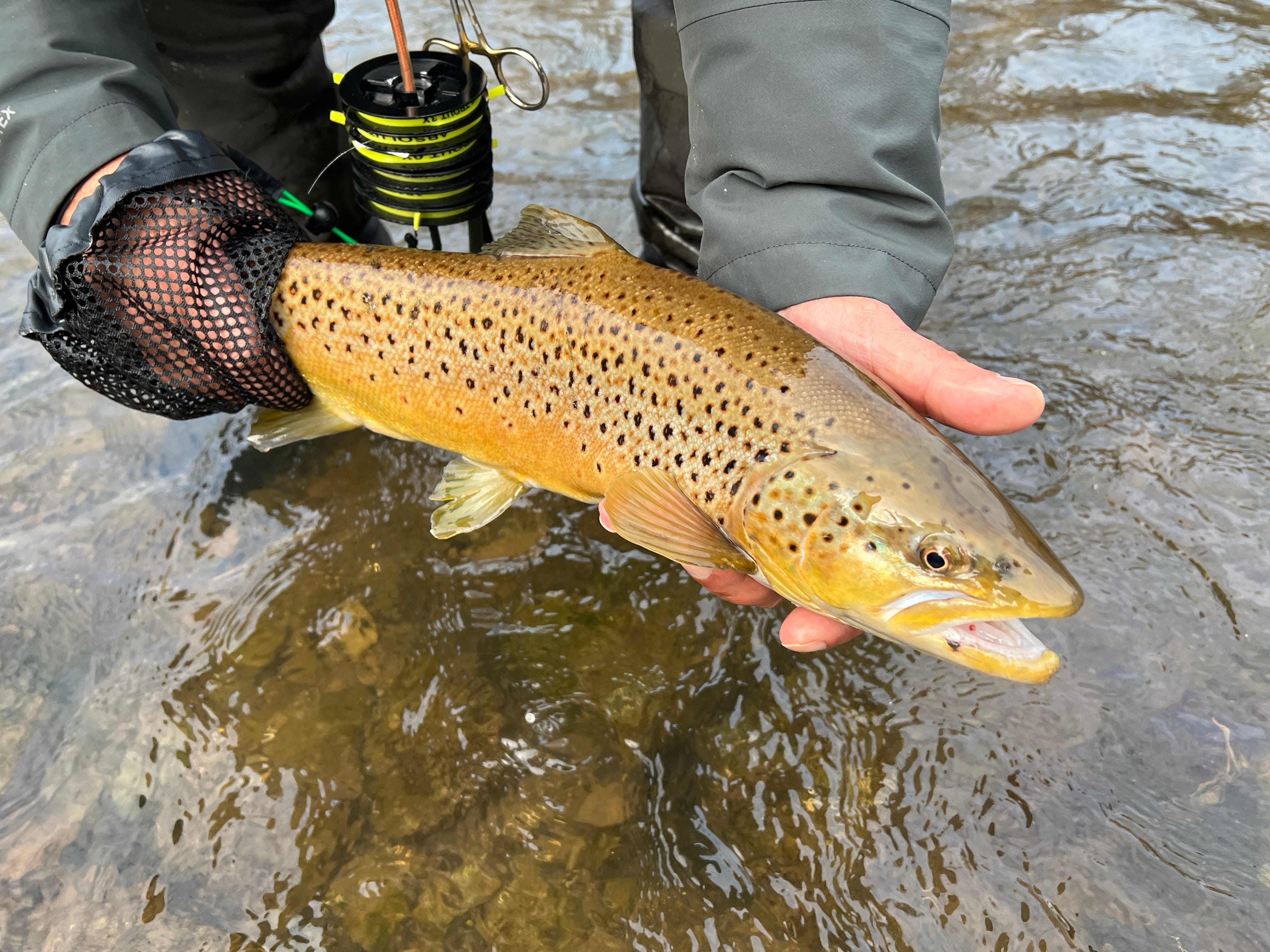
Another, albeit much smaller tube fly eater. This little fellow was an honest 22-incher.
A word about hook sizes. You always hear flyfisherman tell others they caught the fish on a size yada yada doohickey. But very few of them specify what hook that fly was tied on. The same size can actually represent a whole range of hooks depending on shank ratio (1XL, 2Xl, 1XS etc), or hook type (those curved caddis hooks seem to be built to some other design parameters). They can also change from manufacturer to manufacturer. Somewhere along the way that concept got lost. You’ll catch a lot more fish if you compare hooks before selecting the size. Lastly, over the last 40-50 years there has been a general trend to use smaller and smaller flies for the same bug. And yet these folk somehow think the fish are more selective. I feel like yelling my head off sometimes - the fish aren’t more selective, y’all have lost any sense of proportion. I see shops advising their clients to use #16 Hendricksons! Really, guys? So get a real good measure of the bug you’re trying to imitate. I always carry a small plastic ruler with me. It’s a great little tool because you can get the actual size of fly you’re trying to imitate.
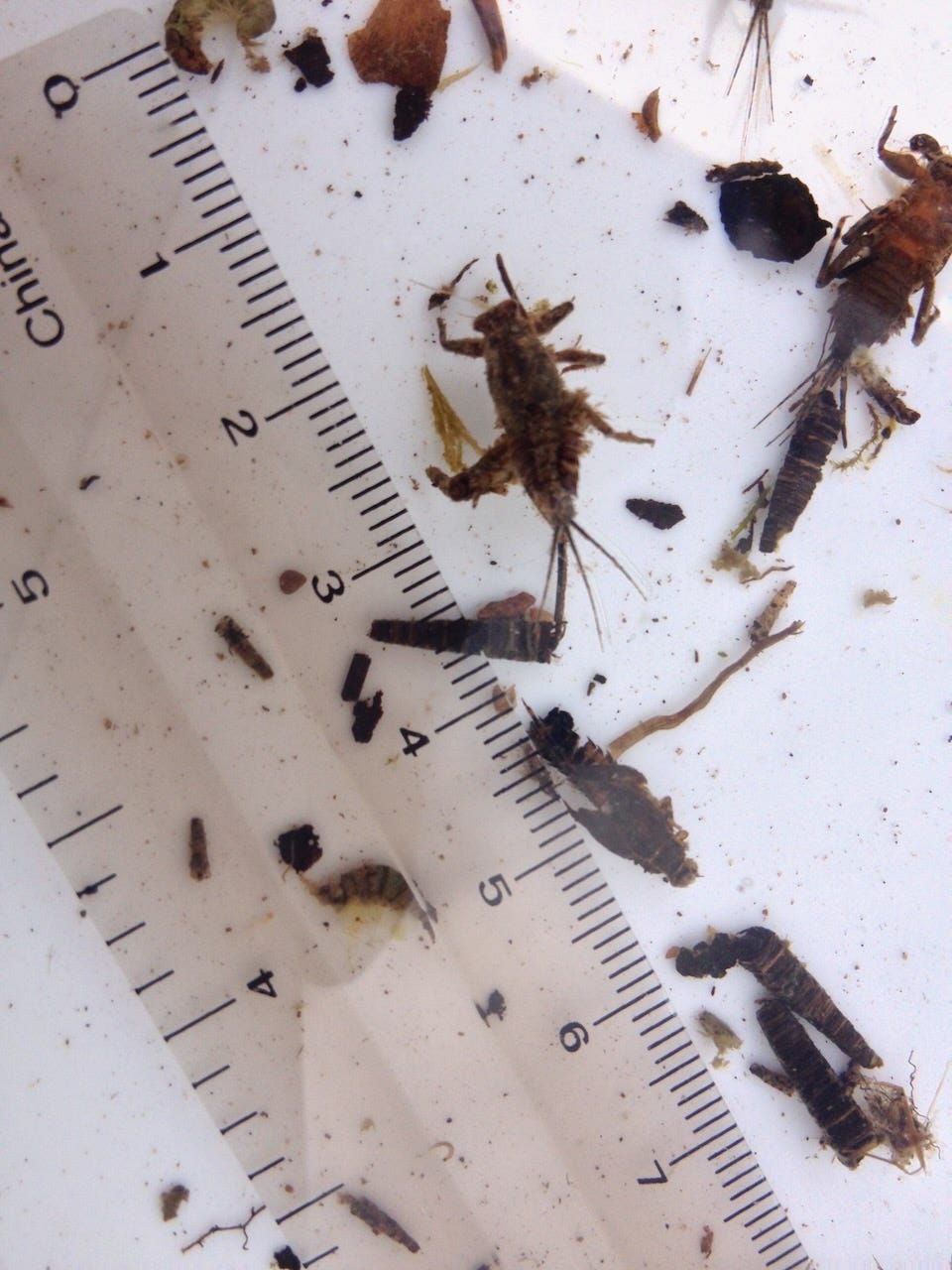
Once you do that you will notice that there is a huge discrepancy between the thing you’re fishing and what you think you’re imitating. Here are some examples.
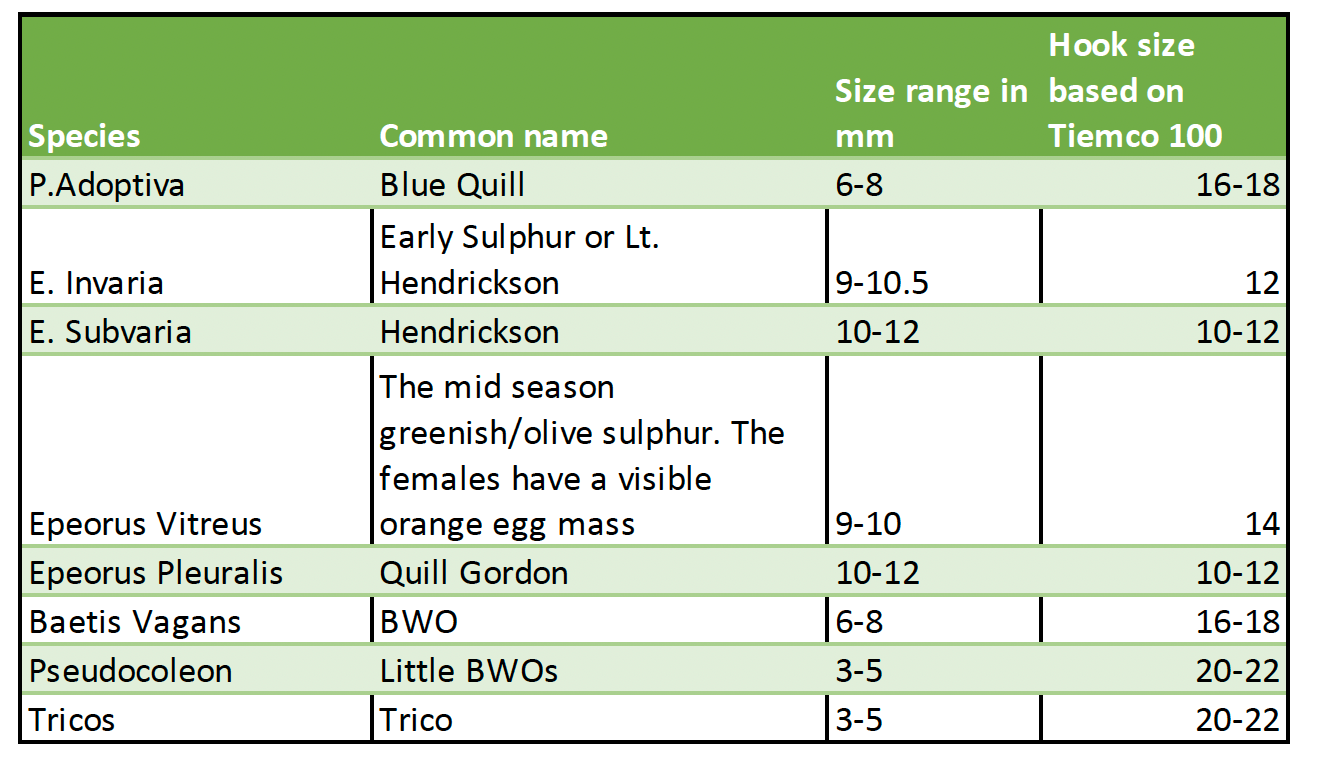
Let’s start with the 800 lb gorilla. How many people think they’re fishing for Baetis Vagans and are fishing size 20 or smaller flies. Either they’re not fishing for Baetis Vagans, or they’re fishing the wrong size. Those BWOs are 16-18. We get great hatches of Baetis Vagans and Tricaudatus on the Colorado River in the fall. And that’s what we fish for them with #16-18 flies on Partridge L3A or Ahrex FW504 or #17 on a Tiemco 102Y. At the same time of year there is a much smaller BWO that comes off on some rivers called the Acentrella Turbida or its cousin the A. Insignificans These are much smaller and more importantly have a completely different egg laying behavior. But that’s a story for a different day. The issue I’m talking about is size. The common Baetis are much bigger bugs, and you’ll catch a lot more fish fishing the right size. The same thing holds for things like the Hendrickson (Ephemerella Subvaria). It’s a huge mayfly, typically suitable for size 10-12 tie on something like a Tiemco 100 or Daiichii 1170 or Gamakatsu S10. Not some paltry size 16 something some guy sold someone. There’s a world of info out there on actual species sizes. Try match the size, it’ll serve you well. Most people fish flies that are just too small.
So, in conclusion choose hooks with as large a gape as you can find, offset the point (if it isn’t already, especially on smaller hooks or hooks where the eye may interfere with the point of the hook, shy away from XL shank hooks where possible and don’t use streamer hooks, migrate to tubes and shanks.